List of extinct species
-Mammals Marsupials Broad-faced Potoroo - 1875, Australia Eastern Hare Wallaby - 1890, Australia Lake Mackay Hare-wallaby - 1932, Australia Desert Rat-kangaroo - 1935 , Australia Thylacine - 1936, Tasmania Toolache Wallaby - 1943, Australia Desert Bandicoot - 1943, Australia Lesser Bilby - 1950s, Australia Pig-footed bandicoot - 1950s, Australia Crescent Nailtail Wallaby - 1956, Australia Red-bellied Gracile Opossum - 1962, Australia Sirenians Steller's Sea Cow - 1768, Commander Islands Rodents Oriente Cave Rat - ?, Cuba Torre's Cave Rat - ?, Cuba Imposter Hutia - ?, Hispaniola Montane Hutia - ?, Hispaniola Lagostomus crassus - ?, Peru Galápagos Giant Rat - ?, Galapagos Islands Canariomys - ?, Canary Islands Flores Cave Rat - 1500, Indonesia Verhoeven's Giant Tree Rat - 1500, Indonesia Cuban Coney - 1500, Cuba Hispaniolan Edible Rat - 1546, Hispaniola Puerto Rican Hutia - ?, Puerto Rico Big-eared Hopping Mouse - 1843, Australia Darling Downs Hopping Mouse - 1846, Australia White-footed Rabbit-rat - 1870s, Australia St Lucy Giant Rice Rat - 1881, Saint Lucia Short-tailed Hopping Mouse - 1896, Australia Nelson's Rice Rat - 1897, Islas Marias Guadalcanal Rat - 1899, Solomon Islands Long-tailed Hopping Mouse - 1901, Australia Martinique Giant Rice Rat - 1902, Martinique Bulldog Rat - 1903, Christmas Island Maclear's Rat - 1903, Christmas Island Martinique muskrat - 1903, Martinique St Kilda House Mouse - 1930, St Kilda Darwin's Galapagos Mouse - 1930, Galapagos Islands Gould's Mouse - 1930, Australia Pemberton's Deer Mouse - 1931, San Pedro Nolasco Island Lesser Stick Nest Rat - 1933, Australia Indefatigable Galapagos Mouse - 1934, Galapagos Islands Chadwick Beach Cotton Mouse - 1938, Florida Ilin Island Cloudrunner - 1953, Philippines Little Swan Island hutia - 1955, Swan Islands Blue-Gray Mouse - 1956, Australia Pallid Beach Mouse - 1959, Florida Emperor Rat - 1960s, Solomon Islands Minorcan Giant Dormouse - 1960s, Minorca (Spain) Ungulates Cebu Warty Pig - 2000, Philippines Lagomorphs Sardinian Pika - 1774, Sardinia Majorcan Hare - 1980s, Majorca (Spain) Proboscids North African Elephant - 100, North Africa Syrian Elephant - 100, Middle East Tubulidentata Bibymalagasia - 200 BC, Madagascar Soricimorphs Marcano's Solenodon - 1500s, Hispaniola Christmas Island Shrew - 1958, Christmas Island Balearic Shrew - ?, Europe Sardinian Giant Shrew - ?, Sardinia (Italiy) Tule Shrew - 1905, Baja California Bats Puerto Rican Flower Bat - ?, Puerto Rico Lesser Mascarene Flying Fox - 1864, Réunion, Mauritius Guam Flying Fox - 1968, Guam Dusky Flying Fox - 1870, Percy Island Large Palau Flying Fox - 1874, Palau Nendo Tube-nosed Fruit Bat - 1907, Solomon Islands New Zealand Greater Short-tailed Bat - 1988, New Zealand Lord Howe Long-eared Bat - 1996, Australia Sturdee's Pipistrelle - 2000, Japan Christmas Island pipistrelle - 2009, Christmas Island Cetaceans Baiji - 2006, China Artiodactyls Chilihueque - 16/17th century, Chile Balearic Islands Cave Goat - ?, Balearic Islands Cape Warthog - 1900, South Africa Aurochs - 1627, Poland Caucasian Wisent - 1927, Caucasus Carpathian Wisent - 1790, Carpathian Mountains Eastern Elk - 1887, United States High Arctic Camel - ?, Arctic Merriam's Elk - 1913, United States Bluebuck - 1799, South Africa Bubal Hartebeest - 1923, North Africa Malagasy hippopotamus - ?, Madagascar Red Gazelle - 1894, Algeria Schomburgk's Deer - 1932, Thailand Caucasian Moose - 1850s, Caucasus Mountains Queen of Sheba's Gazelle - 1951, Yemen Saudi Gazelle - 2008, Saudi Arabia Portuguese Ibex - 1892, Portugal Pyrenean Ibex - 2000, Pyrenees Carnivores Falkland Island Wolf - 1876, Falkland Islands Sea Mink - 1894, North America Japanese Sea Lion - 1950s, Japan Caribbean Monk Seal - 1952, Jamaica Atlas bear - 1870s, Atlas Mountains Barbary Lion - 1922, Atlas Mountains Hokkaidō wolf - 1889, Japan Honshū wolf - 1905, Japan Cascade Mountains Wolf - 1940, British Columbia Banks Island Wolf - 1920, Banks Island Cape Serval - ?, South Africa Sardinian Lynx - 1908, Sardinia (Italy) Formosan Clouded Leopard - 1983, Taiwan Cape Lion - 1858, Russia European Lion - 100, Greece Bali Tiger - 1940s, Bali Mexican grizzly bear - 1960s, Mexico Caspian Tiger - 1970s, Tajikistan Javan Tiger - 1976, Java Eastern Cougar - 2011, Eastern United States Japanese river otter - 2012, Japan Primates Koala lemur - 1500, Madagascar Perissodactyls Atlas wild ass - 300, North Africa Quagga - 1883, South Africa Tarpan - 1919, Eurasia Syrian wild ass - 1928, Syria Western Black Rhinoceros - 2011, West Africa Black Rhinoceros - 2013, South Africa -Birds Struthioniformes (The Ostrich and related ratites) Elephant Bird - 17/18th century Upland Moa - around 1500 King Island Emu - 1822 Kangaroo Island Emu - 1827 West Coast Spotted Kiwi - 1900 Arabian Ostrich - 1966 Tasmanian Emu - 19th century North Island Little Spotted Kiwi - 19th century Tinamiformes (Tinamous) Magdalena Tinamou - 1980s Anseriformes (Ducks, geese and swans) Crested Shelduck - 1964 Réunion Shelduck - 1690s Mauritian Shelduck - 1695 Amsterdam Duck - 1800 Saint Paul Island Duck - 1800 Mauritian Duck - 1690s Mariana Mallard - 1981 Finsch's Duck - 1870 Pink-headed Duck - 1945 Réunion Pochard - 1690s Labrador Duck - 1880 Auckland Merganser - 1902 Bering Cackling Goose - 1929 Rennell Island Teal - 1959 Niceforo's Pintail - 1950s Borrero's Cinnamon Teal - 1980s Galliformes (Quails and relatives) Pile-builder Megapode - 18th century Viti Levu Scrubfowl - 19/20th century Raoul Island Scrubfowl - 1876 New Zealand Quail - 1875 Himalayan Quail - 1876 Charadriiformes (Shorebirds, gulls and auks) Javan Lapwing - 1940s Tahiti Sandpiper - 19th century White-winged Sandpiper - 19th century North Island Snipe - 1870s South Island Snipe - 1964 Eskimo Curlew - 1980s Slender-billed Curlew - 2007 Great Auk - 1844 Canary Islands Oystercatcher - 1940s Italian Grey Partridge - 1990 Amik Gölü Black Francolin - 1960s Heath Hen - 1932 New Mexico Sharp-tailed Grouse - 1954 Moroccan Guineafowl - 1980s Kiritimati Sandpiper - 19th century Andalusian Hemipode - 1981 Tawitawi Small Buttonquail - 1950s New Caledonia Painted Buttonquail - 1920s Gruiformes (Rails and allies) Antillean Cave Rail - 1912 Hawkins's Rail - 19th century Red Rail - 1700s Rodrigues Rail - 1740s Bar-winged Rail - 1980 New Caledonian Rail - 1993 Wake Island Rail - 1945 Tahitian Red-billed Rail - 18/19th century Dieffenbach's Rail - 1850s Tongatapu Rail - 18/19th century Vava'u Rail - 1820s The Norfolk Rail - 1800 Chatham Rail - 1900 Réunion Rail - 1690s Ascension Crake - 1690s Saint Helena Crake - 1520s Laysan Rail - 1944 Hawaiian Rail - 1900 Kosrae Crake - 1870s Miller's Rail - 1800 Saint Helena Swamphen - 16th century Lord Howe Swamphen - 1820s Réunion Swamphen - 18th century Marquesas Swamphen - 1902 North Island Takahē - 1894 Samoan Wood Rail - 1907 Makira Woodhen - 1950s Tristan Moorhen - 1880s Mascarene Coot - 1700 Fernando de Noronha Rail - 16th century Tahitian "Goose" - 1780s Rallidae gen. et sp. indet. 'Amsterdam Island' - 1800s Goldman's Yellow Rail - 1960s Macquarie Rail - 1880s Raoul Island Banded Rail - 1880s Peruvian Rail - 20th century Western Lewin's Rail - 1930s Assumption White-throated Rail - 1920s Jamaican Uniform Crake - 1890 Intact Rail - 20th century Bornean Baillon's Crake - 20th century Moroccan Bustard - 1990s Luzon Sarus Crane - 1960s Podicipediformes (Grebes) Colombian Grebe - 1977 Alaotra Grebe - 1985 Atitlán Grebe - 1989 Ciconiiformes (Herons and related birds) Bermuda Night Heron - 17th century Réunion Night Heron - 17th century Mauritius Night Heron - 1700 Rodrigues Night Heron - 1750s Ascension Night Heron - 1590s New Zealand Little Bittern - 1880s Réunion Ibis - 1720s Bonin Nankeen Night Heron - 1890s Principe Olive Ibis - 1994 Pelecaniformes (Cormorants and related birds) Spectacled Cormorant - 1850s Procellariiformes (Petrels, shearwaters, albatrosses, stormpetrels) Olson's Petrel - 16th century Bermuda Shearwater - 16th century Saint Helena Petrel - 16th century Jamaica Petrel - 20th century Guadalupe Storm Petrel - 1910s Sphenisciformes (Penguins) Chatham Penguin - 1872 Columbiformes (Pigeons, doves and dodos) Saint Helena Dove - 20th century Passenger Pigeon - 1914 Bonin Woodpigeon - 1890 Ryukyu Woodpigeon - 1930s Réunion Pink Pigeon - 1700 Rodrigues Pigeon - 1690s Liverpool Pigeon - 1851 Sulu Bleeding-heart - 1990s Norfolk Ground Dove - 1800 Tanna Ground Dove - 18/19th century Thick-billed Ground Dove - 1950s Choiseul Pigeon - 1920s Red-moustached Fruit Dove - 1950s Negros Fruit Dove - 1980s Mauritius Blue Pigeon - 1830s Farquhar Blue Pigeon - 19th century Rodrigues Grey Pigeon - 1750s Dodo - 1681 Rodrigues Solitaire - 1730 Madeiran Wood Pigeon - 1920s Ogasawara Japanese Wood Pigeon - 1980s Lord Howe Pigeon - 1853 Tongan Metallic Pigeon - 1780s Catanduanes Bleeding-heart - 1980s Basilan Bleeding-heart - 1950s Vella Lavella Ground Dove - 1980s White-headed Polynesian Ground Dove - 20th century Ebon Crimson-crowned Fruit Dove - 1880s Mauke Fruit Dove - 1860s Negros Spotted Imperial Pigeon - 1980s Norfolk Kererū - 1850s Raoul Island Kererū - 19th century Psittaciformes (Parrots) New Caledonian Lorikeet - 1950s Norfolk Kaka - 1851 Society Parakeet - 1790s Black-fronted Parakeet - 1850 Paradise Parrot - 1920s Oceanic Eclectus Parrot - 18/19th century Seychelles Parakeet - 1833 Newton's Parakeet - 1875 Mascarene Grey Parakeet - 18th century Mascarene Parrot - 1834 Broad-billed Parrot - 1680s Rodrigues Parrot - 1790s Glaucous Macaw - 1920s Cuban Macaw - 1880s Carolina Parakeet - 1930 Martinique Amazon - 18th century Guadeloupe Amazon - 18th century Sangir Red and Blue Lory - 1997 Sinú Parakeet - 1950s Challenger's Lory - 1920s Macquarie Parakeet - 1891 Lord Howe Parakeet - 1870 Réunion Parakeet - 18th century Siquijor Colasisi - 1990s Puerto Rican Conure - 1890s Sinú Brown-throated Parakeet - 1990s Culebra Amazon - 20th century Cuculiformes (Cuckoos) Delalande's Coua - 1890s Saint Helena Cuckoo - 18th century Greater Crested Coua - 1990s Assumption Island Coucal - 1920s Cabo San Lucas Groove-billed Ani - 1940 Bahia Rufous-vented Ground Cuckoo - 1950s Falconiformes (Birds of prey) Guadalupe Caracara - 1903 Réunion Kestrel - 1700 Cape Verde Kite - 2000 Anjouan Sparrowhawk - 1958 Car Nicobar Sparrowhawk - 20th century Volcano Islands Peregrine Falcon - 1940s Strigiformes (Typical owls and barn-owls) Réunion Owl - 1690s Mauritius Owl - 1850 Rodrigues Owl - 1750s Laughing Owl - 1914 Puerto Rican Barn Owl - 1912 Bahaman Barn Owl - 16th century Siau Scops Owl - 20th century Sulu Reddish Scops Owl - 1950s Virgin Islands Screech Owl - 1860s Socorro Elf Owl - 1970 Antiguan Burrowing Owl - 1905 Guadeloupe Burrowing Owl - 1890 Lord Howe Boobook - 1950s Norfolk Boobook - 1996 Cave-nesting Masked Owl - 1960s Buru Masked Owl - 1950s Peleng Masked Owl - 1950s Samar Bay Owl - 1950s Caprimulgiformes (Nightjars and nighthawks) Jamaican Poorwill - 1890s Vaurie's Nightjar - 1929 New Caledonian White-throated Nightjar - 1950s Apodiformes (Swifts and hummingbirds) Brace's Emerald - 19th century Gould's Emerald - 19th century Bogota Sunangel - 2009 Turquoise-throated Puffleg - 20th century Alejandro Selkirk Firecrown - 1908 Luzon Whitehead's Swiftlet - 20th century Coraciiformes (Kingfishers and related birds) Saint Helena Hoopoe - 16th century Sangihe Dwarf Kingfisher - 1998 Rarotonga Kingfisher - 1980s Mangareva Kingfisher - 19th century Ryūkyū Kingfisher - 19th century Javan Blue-banded Kingfisher - 1950s Sakarha Pygmy Kingfisher - 1980s Ticao Hornbill - 1970s Piciformes (Woodpeckers and related birds) Imperial Woodpecker - 1990s Ivory-billed Woodpecker - 1987 Grand Bahama West Indian Woodpecker - 1950s Javan Buff-rumped Woodpecker - 1920s Guadalupe Flicker - 1910 Northern White-mantled Barbet - 1950s Botero White-mantled Barbet - 1950s Todd's Jacamar - 1990s Cebu White-bellied Woodpecker - 20th century Passeriformes (Perching birds) Stephens Island Wren - 1895 Bushwren - 1972 X. l. stokesi - 1955 X. l. longipes - 1968 X. l. variabilis - 1972 Táchira Antpitta - 1990s Kioea - 1860s Hawaiʻi ʻŌʻō - 1930s Oʻahu ʻŌʻō - 1860s Molokaʻi ʻŌʻō - 1980s Kauaʻi ʻŌʻō - 1987 Chatham Bellbird - 1950s Lord Howe Gerygone - 1930 Mangarevan Whistler - 1890s Maupiti Monarch - 1860s Eiao Monarch - 1970s Nuku Hiva Monarch - 1960s Ua Pou Monarch - 1986 Guam Flycatcher - 1983 North Island Piopio - 1970 South Island Piopio - 1960s Huia - 1920s White-eyed River Martin - 1980s Red Sea Cliff Swallow - 1990s Moorea Reed Warbler - 1980s Rück's Blue Flycatcher - 20th century Chatham Fernbird - 1900 Tana River Cisticola - 1970s Marianne White-eye - 1890s Lord Howe White-eye - 1918 White-chested White-eye - 2010 Black-browed Babbler - 20th century Rodrigues Bulbul - 17th century Aldabra Brush Warbler - 1984 Rodrigues "Babbler" - 17th century Kosrae Starling - 1860s Mysterious Starling - 1860s Tasman Starling - 1923 Pohnpei Starling - 2000 Bay Starling - 1850 Hoopoe Starling - 1850s Rodrigues Starling - 1750s Grand Cayman Thrush - 1940s Bonin Thrush - 1830s ʻĀmaui - 1860s Kāmaʻo - 1990s Olomaʻo - 1980s Cozumel Thrasher - 2010 Black-lored Waxbill - 1990s Slender-billed Grackle - 1910 Bachman's Warbler - 1990 Semper's Warbler - 1970s Bonin Grosbeak - 1830s ʻŌʻū - 2000 Lanaʻi Hookbill - 1918 Pila's Palila - 1720s Lesser Koa Finch - 1891 Greater Koa Finch - 1896 Kona Grosbeak - 1894 Greater ʻAmakihi - 1901 Nukupuʻu - 2000 Hawaiʻi ʻAkialoa - 1940 Greater ʻAkialoa - 1969 Kakawahie - 1963 Oʻahu ʻAlauahio - 1990s ʻUla-ʻai-hawane - 1937 Black Mamo - 1907 Hawaiʻi Mamo - 1898 Poʻo-uli - 2004 Hooded Seedeater - 20th century Antioquia Brush Finch - 1990s Bermuda Towhee - 1610 Bougainville Black-faced Pitta - 1950s Choiseul Black-faced Pitta - 1990s Bogotá Bearded Tachuri - 1990s Grenadan Euler's Flycatcher - 1950s San Cristóbal Vermilion Flycatcher - 1990s Peruvian Scale-throated Earthcreeper - 1990s Northern Stripe-crowned Spinetail - 1990s Northern Giant Antpitta - 1990s Western Rufous Bristlebird - 20th century King Island Brown Thornbill - 1970s Tiwi Island Hooded Robin - 1992 Mount Lofty Spotted Quail-thrush - 1980s Negros Celestial Monarch - 1990s Hiva Oa Monarch - 1970s Manu'a Shrikebill - 1990s Lord Howe Fantail - 1925 Guam Rufous Fantail - 1984 Cebu Bar-bellied Cuckooshrike - 1920s Maros Cicadabird - 1950s Cebu Blackish Cuckooshrike - 1920s Marinduque Blackish Cuckooshrike - 1990s Norfolk Long-tailed Triller - 1942 Cebu Dark-throated Oriole - 1920s Pied Raven - 1948 South Island Kōkako - 1960s Guadalupe Ruby-crowned Kinglet - 20th century Jamaican Golden Swallow - 1990s Eastern Canary Islands Chiffchaff - 1986 Babar Stubtail - 1950s Western Turner's Eremomela - 1980s Aguiguan Nightingale Reed Warbler - 1997 Astrolabe Nightingale Reed Warbler - 1860s Pagan Nightingale Reed Warbler - 1970s Marshall Islands Reed Warbler - 1880 Laysan Millerbird - 1910s Huahine Polynesian Warbler - 19th century Raiatea Polynesian Warbler - 19th century Sumatra Blue-wattled Bulbul - 1990s Northern White-winged Apalis - 1960s Vanua Levu Long-legged Warbler - 1990s Fayyum Warbler - 1940 Guam Bridled White-eye - 1983 Mukojima White-eye - 1930s Vanderbilt's Babbler - 1990s Burmese Jerdon's Babbler - 1940s Chapin's Crombec - 1990s Amik Gölü Bearded Reedling - 1970s San Benedicto Rock Wren - 1952 Guadalupe Bewick's Wren - 1890s San Clemente Bewick's Wren - 1940s Daito Wren - 1940 Guadeloupe Wren - 1970s Martinique Wren - 1886 Daito Varied Tit - 1940 Zagros Coal Tit - 1870 Cyprus Dipper - 1950s Tonkean Henna-tailed Jungle Flycatcher - 1990s Chinijo Chat - 1920s Norfolk Thrush - 1975 Maré Thrush - 1920s Lord Howe Thrush - 1920s Lifou Thrush - 1920s Peleng Red-and-black Thrush - 1950s Kibale Black-eared Ground Thrush - 1990s Choiseul Russet-tailed Thrush - 1950s Saint Lucia Forest Thrush - 1980s Pines Solitaire - 1930s Barbados Scaly-breasted - 1990 Southern Star Finch - 2000 San Benito House Finch - 1940s Lanaʻi ʻAlauahio - 1937 Maui ʻAkepa - 1988 Oʻahu ʻAkepa - 1990s Laysan ʻApapane - 1923 Grand Cayman Oriole - 1938 New Providence Yellowthroat - 1990s Gonâve Western Chat-tanager - 1980s Samaná Eastern Chat-tanager - 1982 Darwin's Large Ground Finch - 1957 Saint Kitts Bullfinch - 1930 Todos Santos Rufous-crowned Sparrow - 1970s Santa Barbara Song Sparrow - 1960s Dusky Seaside Sparrow - 1987 Guadalupe Spotted Towhee - 1900
-Fish
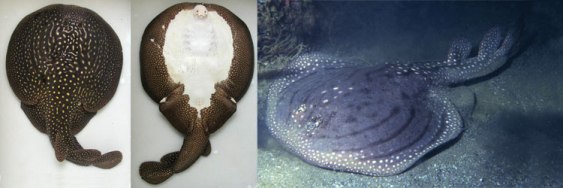
-Insects Butterfly Deloneura immaculata - 1868 Xerces Blue - 1852 Lepidochrysops hypopolia - 1887 British Large Copper - 1803 British Large Blue - 1915 Danish Clouded Apollo - 1922 -Plants Africa Acalypha rubrinervis - 1870, Saint Helena Usambara Annone - 1910, Tanzania Byttneria ivorensis - 1896, Côte d'Ivoire Coffea lemblinii - 1907, Côte d'Ivoire Dryopteris ascensionis - 1889, Ascension Island Erythrina schliebenii - 1938, Tanzania Saint Helena Heliotrope - 1808, Saint Helena Saint Helena Olive - 2003, Saint Helena Oldenlandia adscensionis - 1889, Ascension Island Orchidea eupolyanthis - 1910, Cameroon Pausinystalia brachythyrsum - 1898, Cameroon Silphium - ?, Cyrene Sporobolus durus - 1886, Ascension Island Saint Helena Ebony - 1771, Saint Helena Americas Galapagos Amaranth - 1999, Galápagos Ecuador Rio de Janeiro Myrtle - 1825, Brazil Casearia quinduensis - 1997, Colombia Rio de Janeiro Sapota - 1997, Brazil Havana Fragrant Tree - 1840, Cuba Santa Cruz Bryophyte - 1911, Bolivia Cuban Ruta Tree - 1825, Cuba Cuban Guettarda Tree - 1975, Cuba Licania caldasiana - 1997, Colombia Mason River Myrtle - 1972, Jamaica Hastings County Neomacounia - 1864, Canada Rio de Janeiro Pouteria - 1997, Brazil Cajamarca Pradosia - 1820, Peru Rio de Janeiro Pradosia - 1997, Brazil Colombian Pradosia - 1925, Colombia Jamaican Psidium - 1976, Jamaica Juan Fernandez Santalum - 1908, Chile Thismia americana - 1916, Chicago, USA Broad-leaved century - 1872, Americas Asia Adiantum lianxianense - ?, China Sri Lanka Legume Tree - 1990, Sri Lanka Kerala Legume Tree - 1870, India Sumatra Dipterocarpus - 1996, Indonesia Arunchal Hopea Tree - 1996, India Nilgiri Holly - 1859, India Karnataka Sapota - 1900, India Hainan Ormosia - 1997, Southern China Hainan Otophora - 1935, China Pluchea glutinosa - 19th Century, Yemen Psiadia schweinfurthii - 19th Century, Yemen Sarawak Shorea - 1996, Malaysia Meghalaya Sterculia - 1877, India Valerianella affinis - 19th century, Yemen Courtallum Wendlandia - 1997, India Woolly-stalked Begonia - 20th century, Malaysia Ruzhildalani "Ruzhil" - 1995, India Europe Italian Bryophyte - 1938, Italy Cry Pansy - 1933, France Oceania Hawaii Chaff Flower - 1964, Hawaii Argyroxiphium virescens - 1996, Hawaii Casearia tinifolia - 1976, Mauritius Clermontia multiflora - 1871, Hawaii New Calodonia Sapinda - 1869, New Caledonia Haleakala Cyanea Tree - 1928, Hawaii Cyanea comata - 19th century, Hawaii Cyanea cylindrocalyx - 1909, Hawaii Cyanea dolichopoda - 1990, Hawaii Giffard's Cyanea Tree - 1917, Hawaii Mark's Cyanea Tree - 1900, Hawaii Pohaku Cyanea Tree - 1910, Hawaii Kohala Cyanea Tree - 1997, Hawaii Oak-leaved Cyanea Tree - 1997, Hawaii Dracaena umbraculifera - ?, Mauritius Taravai Aster Tree - 1997, French Polynesia Moorea Laurel - 1997, French Polynesia Kawaihae Hibiscadelphus - 1868, Hawaii Puhielelu Hibiscadelphus - 1981, Hawaii Auwahi Hibiscadelphus - 1910, Hawaii Oahu Kokia - 1888, Hawaii Cross-bearing Pelea - 1997, Hawaii Maui Ruta Tree - 1919, Hawaii Obovate Melicope - 1997, Hawaii Nuku Hiva Neisosperma - 1997, French Polynesia Fatu Hiva Ochrosia - 1997, French Polynesia Nuku Hiva Ochrosia - 1997, French Polynesia Tahiti Ochrosia - 1997, French Polynesia Hawaii Ruta Tree - 1997, Hawaii Koé Stenocarpus - 1905, New Caledonia Norfolk Island Streblorrhiza - 1997, Norfolk Island Fijian Weinmannia - 1840, Fiji Skottsberg's Wikstroemia - 1997, Hawaii Hakeakala Wikstroemia - 1997, Hawaii Prony Bay Xanthostemon - 1869, New Caledonia | Top 10 New Species - 2008 -Ornate sleeper ray (Electrolux addisoni) This new genus and species is the largest known member of the electric ray family Narkidae. The name alludes to the well-developed electrogenic properties of this ray (collectors and photographers have experienced the shocking personality of this bold, active and brightly patterned electric ray first-hand), the discovery of which sheds light on the rich and poorly known fish diversity of the Western Indian Ocean. And the vigorous sucking action displayed on the videotape of the feeding ray may rival a well-known electrical device used to suck the detritus from carpets, furniture, and other dust-gathering surfaces in modern homes.
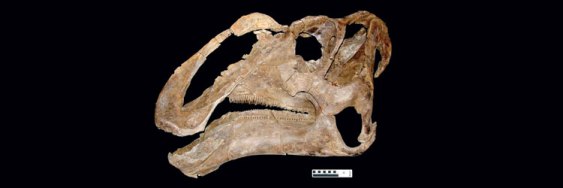
-Hadrosauridae (Gryposaurus monumentensis) This new dinosaur species was discovered by a team from Alf Museum, the only nationally-accredited paleontology museum on a high school campus. It is one of the most robust duck-billed dinosaurs ever found, and probably the largest dinosaur in the 75 million-year-old Kaiparowits Formation fossil ecosystem.
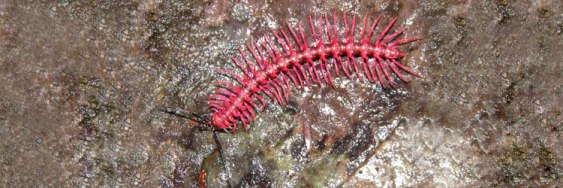
-Shocking pink dragon millipede (Desmoxytes purpurosea) Millipedes (relatives of centipedes) are highly variable in appearance and coloration, but this shocking pink stands apart. The authors suggest that its gaudy coloration and habits (it sits openly on the ground and vegetation during the day) probably indicates to would-be predators that it is not edible (spiny and toxic).
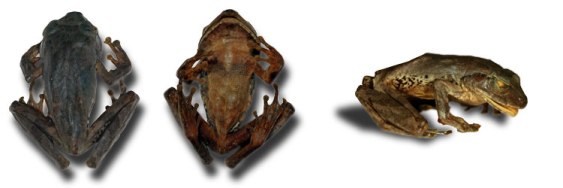
-Philautus maia This species was described from a single female museum specimen collected around 1860. It and a number of related species from Sri Lanka are almost certainly now extinct. Its discovery demonstrates the importance of museum specimens in determining baseline information on biodiversity and in documenting the natural heritage of nations. Had this specimen not been collected in the 19th century, it would possibly have never been known.
-Central Ranges Taipan (Oxyuranus temporalis) This is perhaps one of the most venomous known snake species. Its two closest relatives, the inland taipan (or fierce snake) and the coastal taipan, are ranked first and third most venomous snakes in the world, respectively. The discovery of the new species (known only from a single specimen) highlights how little is known of even relatively large animals in harsh, poorly collected habitats (in this case an isolated arid region of Australia). It also emphasizes the need for accurate taxonomy of venomous species for proper treatment of bites.
-Mindoro stripe-faced fruit bat (Styloctenium mindorensis) This large and charismatic fruit bat species is known only from the Philippine island of Mindoro. It is only the second known species in the genus; the other species is known only from the Indonesian island of Sulawesi and nearby Togian Islands, and was originally discovered (and named after) Alfred Russell Wallace. Wallace was a colleague of Charles Darwin and coauthor of their famous paper On the Tendency of Species to form Varieties; and on the Perpetuation of Varieties and Species by Natural Means of Selection. Among other important contributions, he noted the distinctive faunal break separating Asian and Australian biotas, which is now known as Wallace’s Line. Ironically, the new species occurs on the west side of Wallace’s Line whereas its sister species is on the east side. The new species is threatened by habitat loss and hunting. Its discovery highlights an increasing understanding of endemism on Mindoro, and the need for species exploration and conservation.
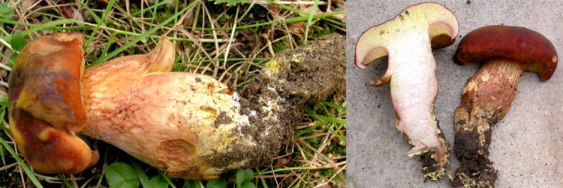
-Xerocomus silwoodensis This new mushroom species was discovered on Silwood Campus, a campus of Imperial College, London, although it is also found elsewhere (two additional sites in England and one each in Spain and Italy). The discovery of a new species in one of the most intensely studied floras in the world and on the campus of a leading education center for biologists illustrates how poorly species are known.
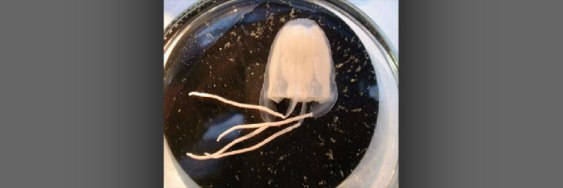
-Malo kingi The new species is the second known species of the dangerous box jellyfish genus Malo, one of several genera of irukandji jellyfish. It is named after American tourist Robert King, who apparently died after being stung by the species while swimming off northern Queensland, Australia. King’s death was a pivotal point in irukandji management, raising public awareness about safety.
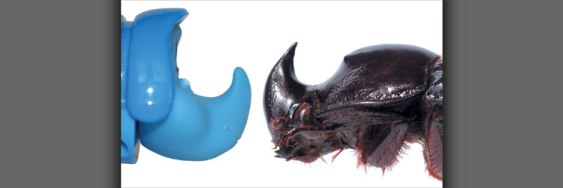
-Rhinoceros beetle (Megaceras briansaltini) Rhinoceros beetles are named for the horn-like structures on their heads. According to the author, this charismatic new species has a unique form of horn that is otherwise similar only to the one on Dim, the blue rhinoceros beetle in the Disney/Pixar animated film A Bug's Life. This makes for a rare instance of Nature imitating art.
-Tecticornia bibenda This new species made the Top 10 because of its charismatic appearance; according to press releases, it looks like the Michelin Man™. It has been also the subject of media releases on the lack of support for taxonomic work in Western Australia, a biodiversity hotspot. There is a huge backlog of new plant species awaiting description, ironically generated by environmental impact surveys for mining companies. It is one of 298 new plant species described from Western Australia in 2007.
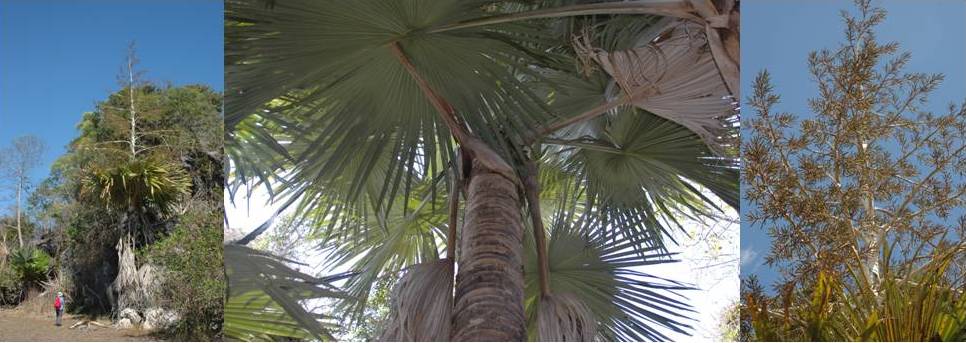
Top 10 New Species - 2009 -Tahina Palm (Tahina spectabilis) A gigantic new species and genus of palm with fewer than 100 individuals found only in a small area of northwestern Madagascar. This plant flowers itself to death, producing a huge, spectacular terminal inflorescence with countless flowers. After fruiting, the palm dies and collapses. The new genus is unrelated to any other of the 170 plus palms of Madagascar and is most closely related to 3 genera: one each in Afghanistan and neighboring parts of Asia; south Thailand; and Vietnam and southern China. Soon after the publication of the species, seeds were disseminated throughout the palm grower community, raising money for its conservation by the local villagers, and it has become a highly prized ornamental.
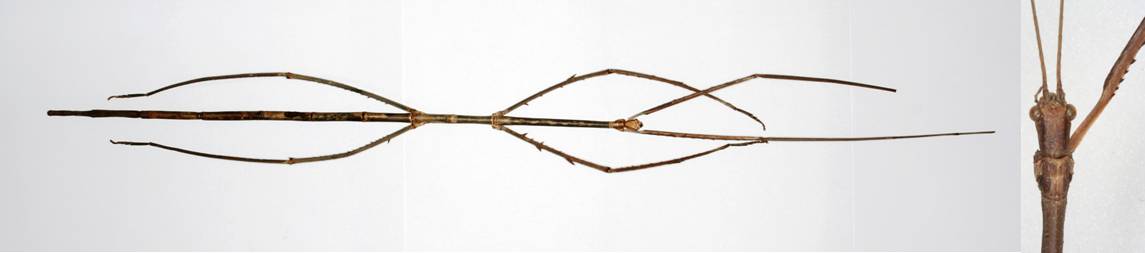
-Phobaeticus chani This is the world's longest insect with a body length of 35.6cm (14 inches) and a overall length of 56.7 cm (22.3 inches). Found in Eastern Asia.
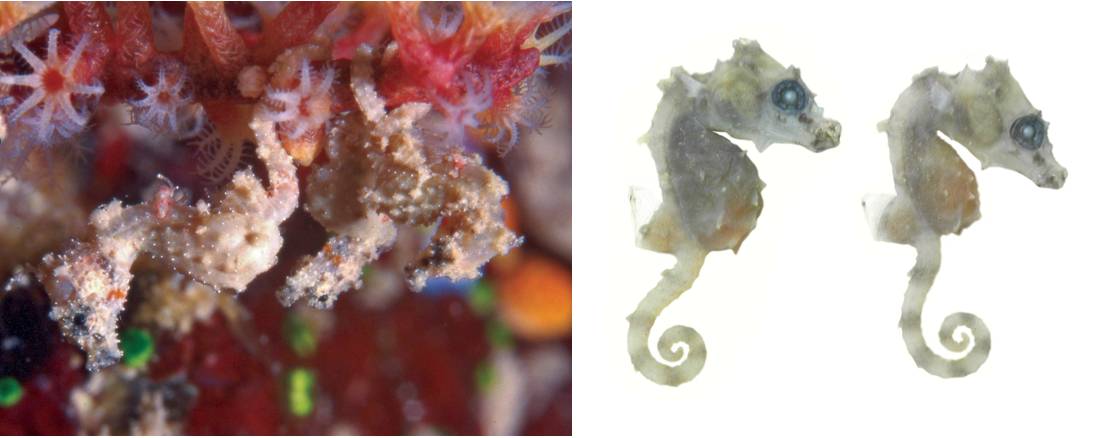
-Satomi's Pygmy Seahorse (Hippocampus satomiae) This is the smallest known seahorse with a standard length of 13.8mm (0.54 inches) and an approximate height of 11.5mm (0.45 inches).
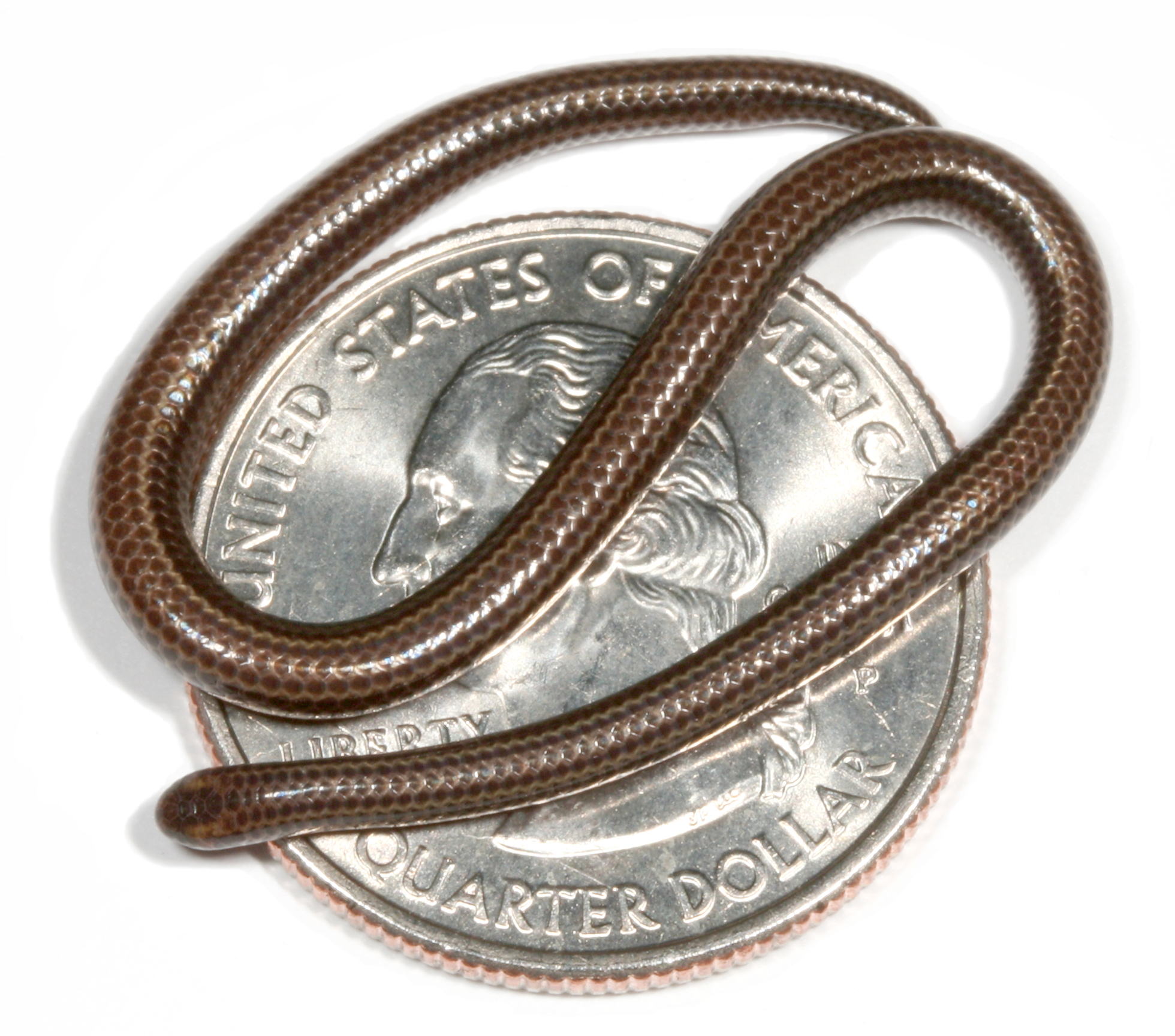
-Barbados Threadsnake (Leptotyphlops carlae) This is the world's smallest snake with a total length of 104mm (4.1 inches).
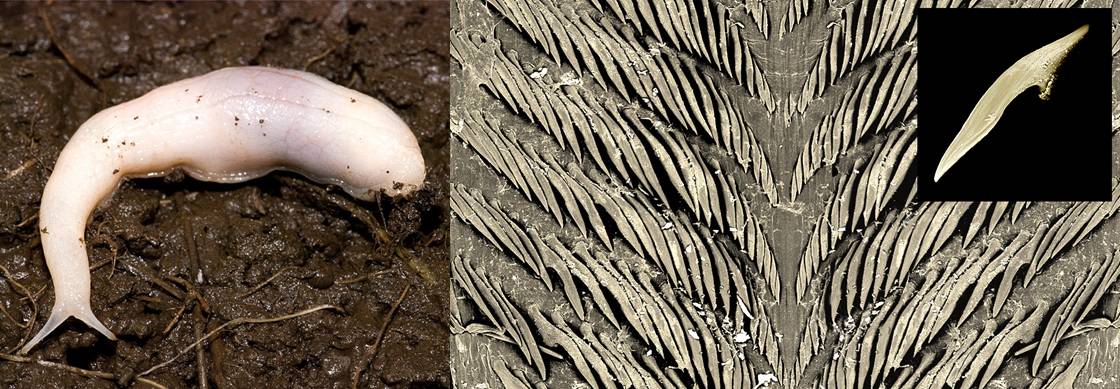
-Ghost Slug (Selenochlamys ysbryda) This charismatic, introduced species was a surprising find in such a well-collected and densely populated area.
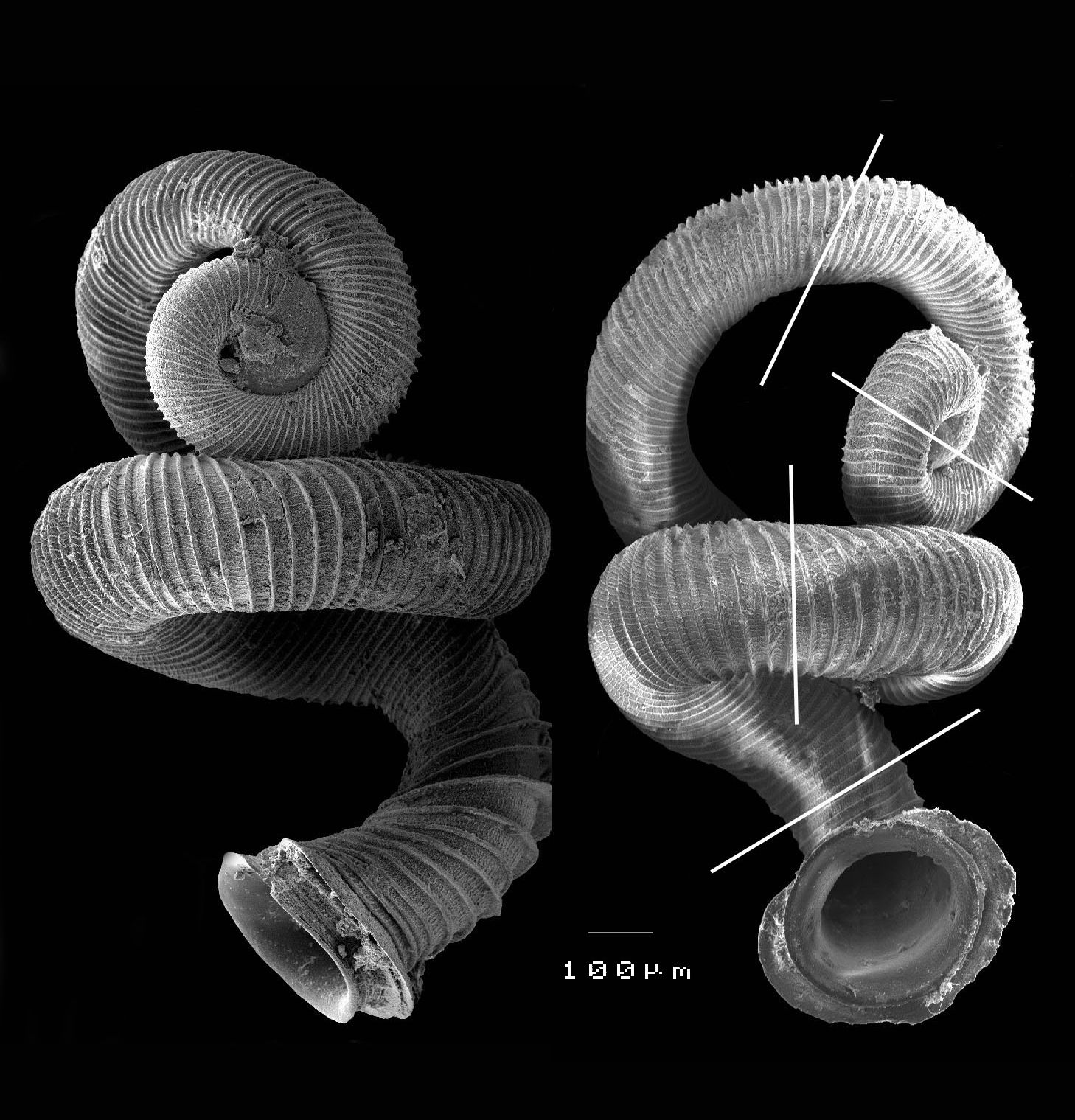
-Opisthostoma vermiculum This species represents a unique morphological evolution in its manner of shell twisting. Most gastropod shells tightly coil according to a logarithmic spiral and have an upper limit of three coiling axes. The shell of O. vermiculum, however, possesses four different coiling axes - the most for any known gastropod. In addition, the whorls detach three times and reattach twice to preceding whorls in a fairly consistent manner, which suggests that the coiling strategy is under some form of strict developmental-gene control. Opisthostoma vermiculum appears to be restricted to a single limestone karst.
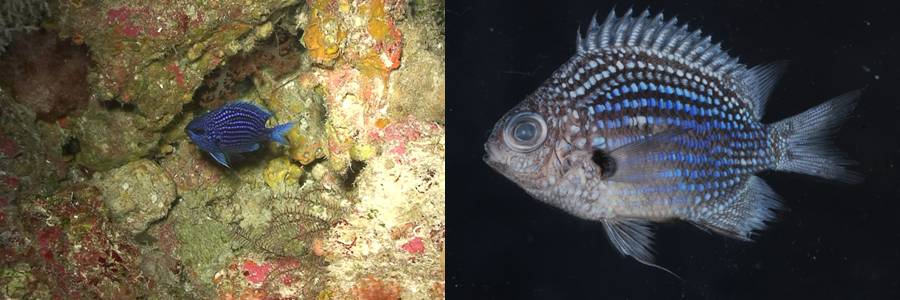
-Deep Blue Chromis (Chromis abyssus) The publication in which this new species and four others were described heralded a new era in the taxonomy of animal species. It represented the first taxonomic act of 2009, and the first act registered in the newly launched taxonomic database Zoobank. As a result, the original description was the most downloaded article in Zootaxa's history during its first month, and was among the top ten downloaded articles for 11 months in 2009. The discovery of the new species also highlights how little we know of deep-reef biodiversity.
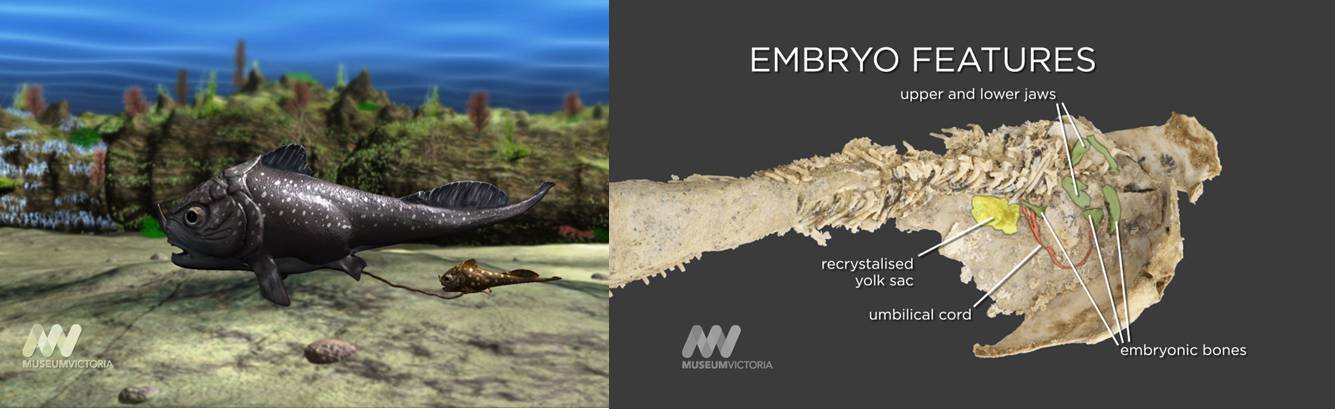
-Mother Fish (Materpiscis attenboroughi) This new species is the oldest known vertebrate to be viviparous (live bearing). The fossilized specimen is an extremely rare find, showing a mother fish giving birth approximately 380 million years ago. The holotype specimen has been nicknamed "Josie" in honor of John Long's mother, who recently passed away.
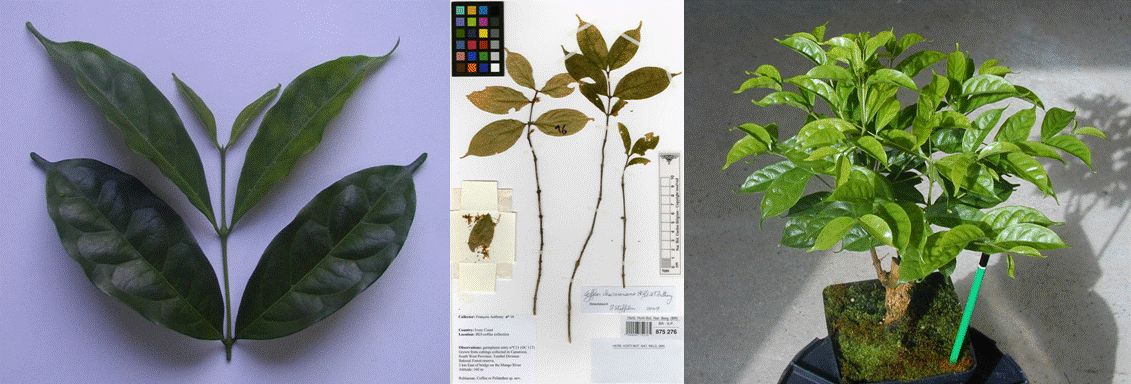
-Charrier Coffee (Coffea charrieriana) This is a new caffeine-free coffee from Cameroon, the first record of a caffeine-free species from Central Africa. Cameroon is a center of diversity for the genus Coffea and such wild species are potentially important in breeding programs. In this case the new species could be used for breeding of naturally decaffeinated beans.
-Microbacterium hatanonis Surprisinigly, this new species of extremophile bacteria was discovered in hairspray.
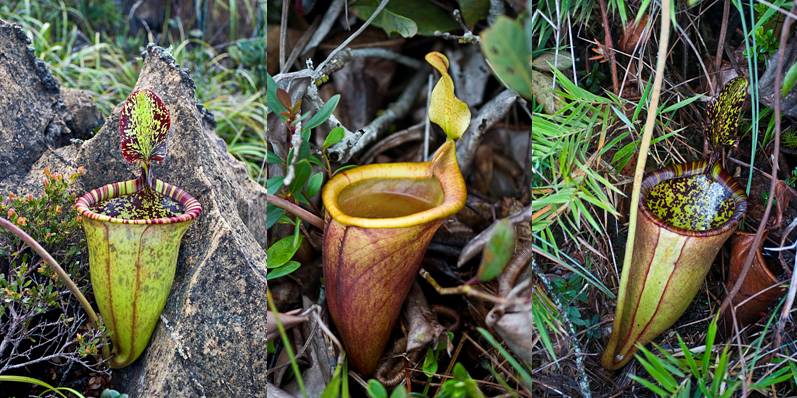
Top 10 New Species - 2010 -Nepenthes attenboroughii It is a charismatic plant species and produces one of the largest pitchers known at 30x16 cm, comparable in size to an American football. It is also carnivorous, feeding on insects trapped by the fluid contained in the pitchers. Endemic to the island of Palawan, Philippines, it is known only from a single locality and the authors suggest it be Red Listed as Critically Endangered.
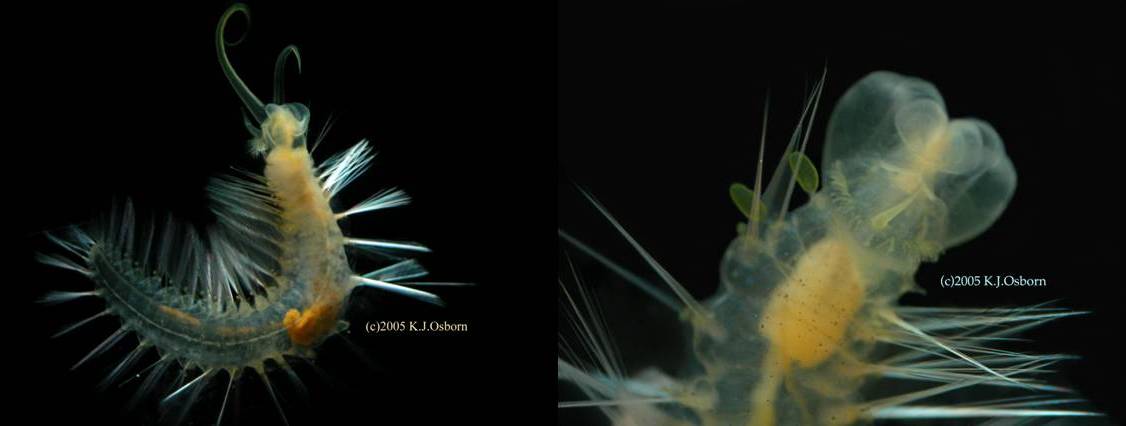
-Green bombers (Swima bombiviridis) This deep-sea annelid is a “bomb”-bearing species. It has modified gills that can be cast off from an individual. These "bombs" illuminate for several seconds with green bioluminescence. It is thought that this is a defensive mechanism rather than reproductive, as it is seen in both mature and juvenile individuals.
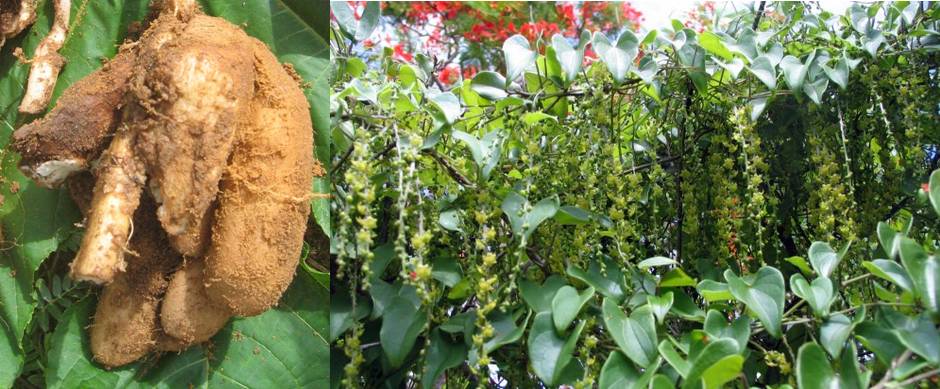
-Angona (Dioscorea orangeana) Dioscorea orangeana is a new species of edible yam found in Madagascar. Its tuber morphology is uncharacteristic of Malagasy yams exhibiting several digitate lobes instead of just one. Although newly described, the authors suggest that it should be Red Listed as Critically Endangered, since it's heavily harvested and growing in unprotected habitat.
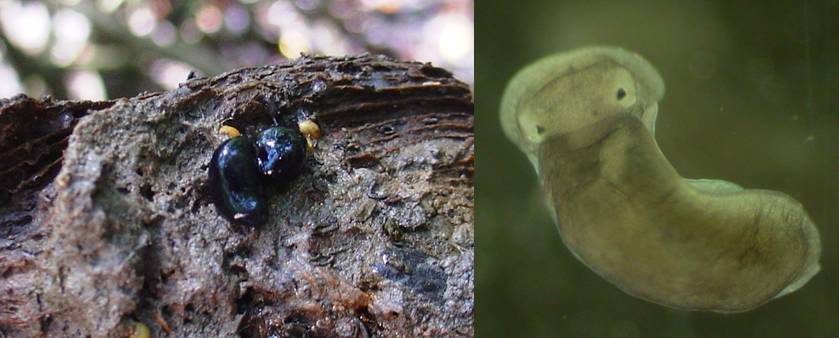
-Aiteng (Aiteng ater) Its discovery has resulted in a new family, Aitengidae. Although it shares nearly all characteristics with sacoglossans, it exhibits unusual eating habits. This sea slug eats insects, whereas nearly all sacoglossans eat algae and a few specialize in gastropod eggs.
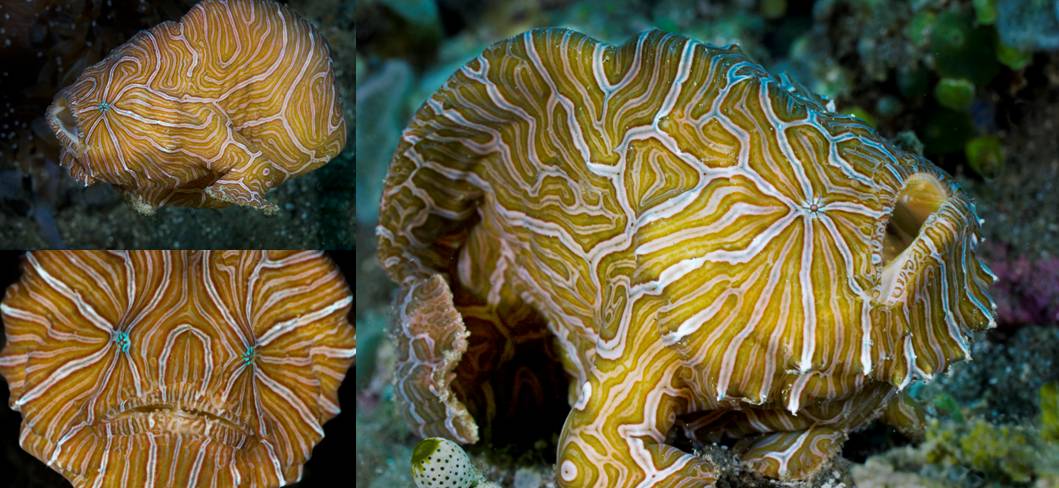
-Psychedelic frogfish (Histiophryne psychedelica) It has an unusual psychedelic pattern and is unique among frogfishes in being flat-faced.
-Komac's golden orb spider (Nephila komaci) It is the first species of Nephila to be described since 1879 and it is the largest Nephila to date. Orb-weaving spiders exhibit extreme sexual size dimorphism: female paratype of this species has a body length of 39.7mm and a male has a body length of 8.7mm. Nephila has the distinction of spinning the largest webs known, often greater than 1m in diameter. Although the web of this new species has not been observed, it is likely to be large.
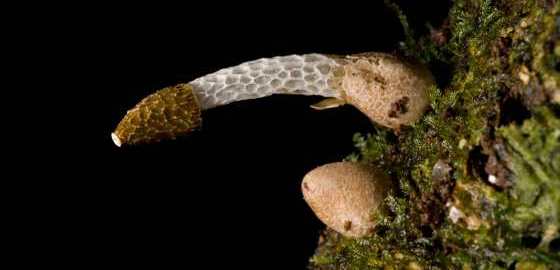
-Phallus drewesii This two inch mushroom was named in honor of Dr. Robert Drewes.
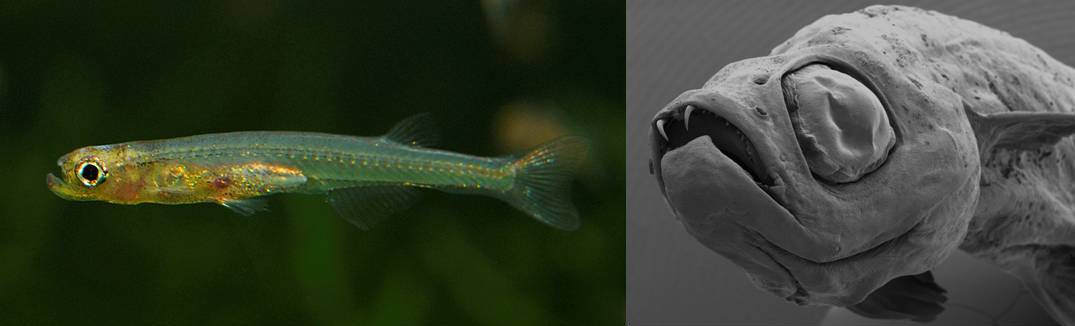
-Dracula minnow (Danionella dracula) Males of this species have canine-like fangs for sparring with other males. This is the first record of oral teeth-like structures being found in the Cyprinidae, the largest family of freshwater fishes.
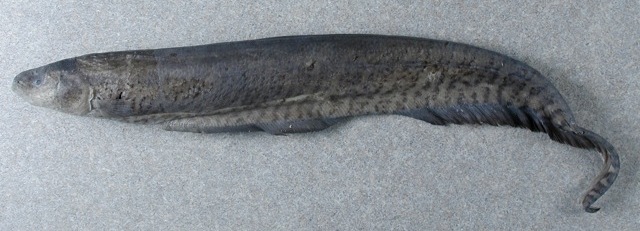
-Omars' banded knifefish (Gymnotus omarorum) This species has been locally exploited and used for several decades, as a model species for understanding electric organ physiology and electrocommunication. Neurophysiologists at the Instituto de Investigaciones Biológicas Clemente Estable in Montevideo, Uruguay have mistakenly referred to this species in literature as Gymnotus carapo or G. cf. carapo. This and other species (until recently) have been lumped into G. carapo. This highlights how little we know about biodiversity when, a model organism can remain undescribed for 30 years.
-Chondrocladia (Meliiderma) turbiformis The person who nominated this species stated, Fifteen years ago, the discovery that a deep-sea sponge family, the Cladorhizidae, was carnivorous greatly surprised the world of Zoology. Carnivorous sponges in fact display very high diversity in the deep ocean, especially in the Pacific where most of the collected specimens appear as undescribed taxa. Among these, Chondrocladia turbiformis displays a special type of spicule for which the new term trochirhabd has been coined. Similar spicules were known from fossil strata of the Early Jurassic, suggesting that carnivorous sponges were already present in the Mesozoic. The name turbiformis derives from the spindle or whirl-shaped form of the characteristic trochirhabds.
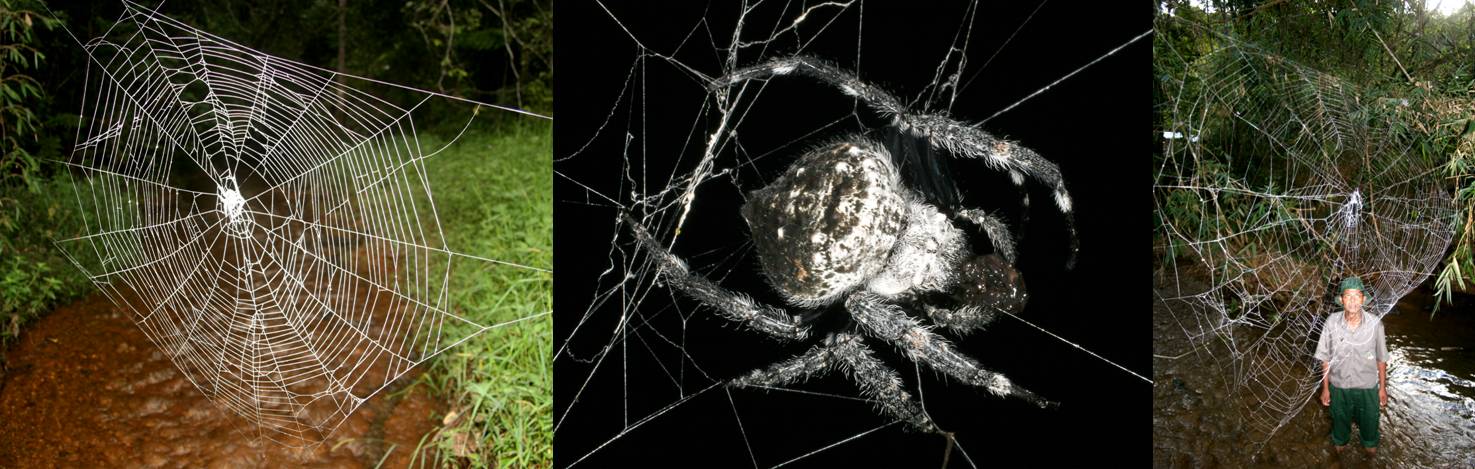
Top 10 New Species - 2011 -Darwin's bark spider (Caerostris darwini) This orb-weaving spider builds the largest orb-style webs that are known to science. Webs of this species have been found spanning rivers, streams and lakes with “bridge-lines” reaching up to 25m in length and total web size reaching up to 2.8 m2. The silk spun by these spiders has an average toughness of 250 MJ/m3 with the highest measured at 520 MJ/m3. This makes it, “the toughest biological material ever studied, over ten times stronger than a similarly-sized piece of Kevlar” and more than two times stronger than any other known spider silk. The unusual behaviors of this new species will allow us to understand size dimorphism, mate guarding, and self castration. Also discovered in association with Darwin's bark spider was an undescribed symbiotic fly species.
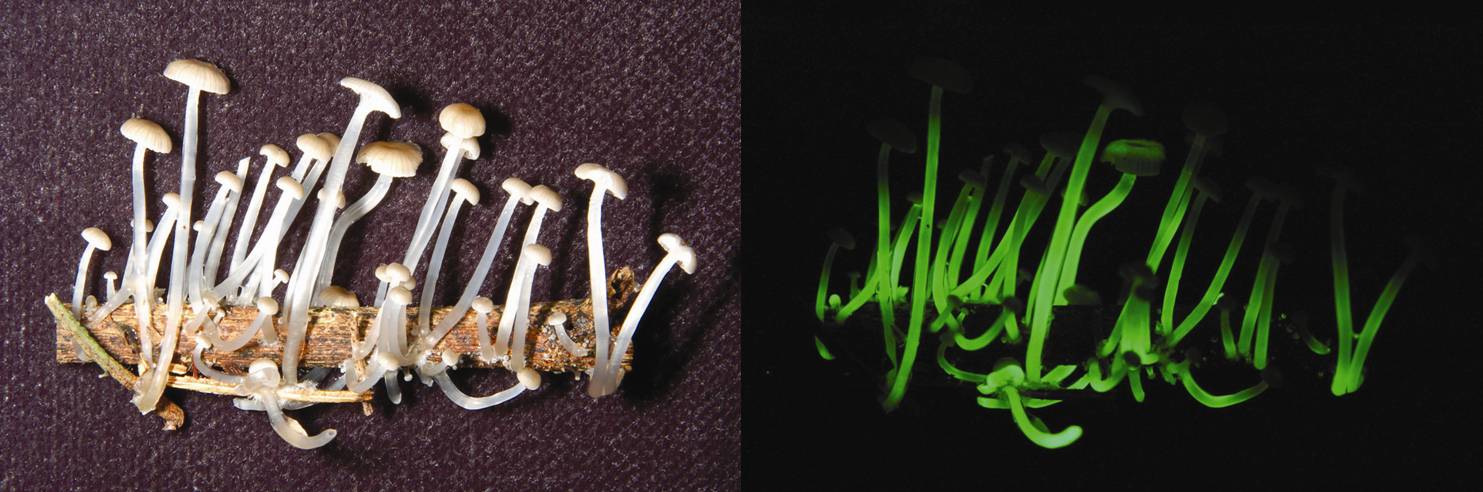
-Eternal light mushroom (Mycena luxaeterna) This new species, collected from some of the last remaining Atlantic forest habitat near São Paulo, Brazil, emits very bright yellowish green light 24 hours per day from its gel-covered stems. DNA sequences of this species (from 5 gene regions) are helping us to understand the origin and evolution of bioluminescence in the fungi. Of the estimated 1.5 million species of fungi on earth, only 71 species are known to be bioluminescence and Mycena luxaeterna is one of the most visually striking species.
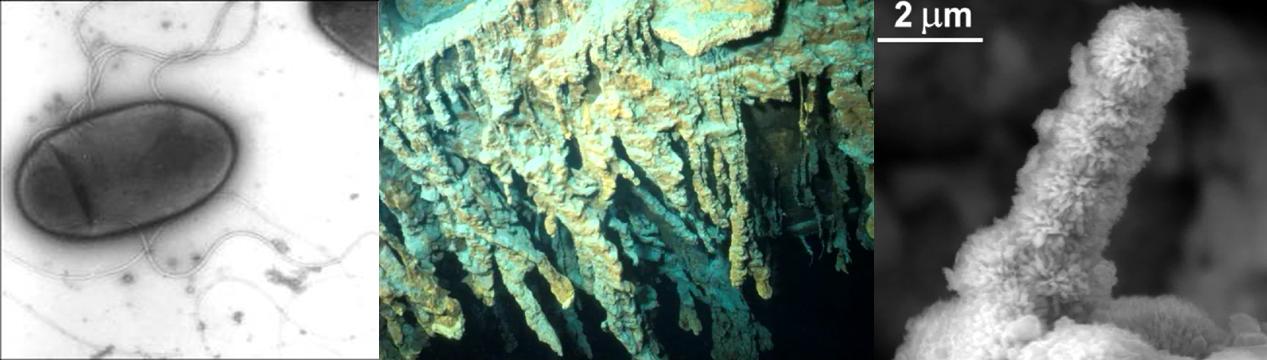
-Halomonas titanicae This new species of iron-oxide consuming bacteria was discovered on a rusticle from the RMS Titanic. Studies show that it sticks to steel surfaces creating knob-like mounds of corrosion products that have contributed, along with other microorganisms, to the deterioration process of the Titanic's metal. This will eventually lead to the Titanic's disappearance. This bacterium could be useful to perform studies related to the disposal of old naval and merchant ships that have sunk in the deep ocean.
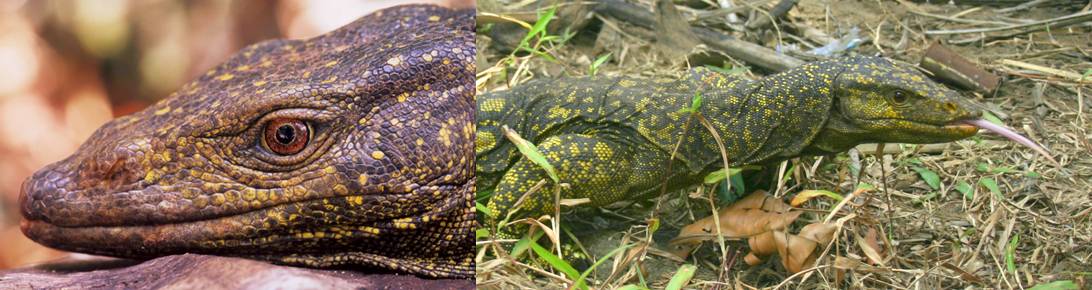
-Sierra Madre Forest Monitor (Varanus bitatawa) This is a large arboreal frugivorous lizard of the genus Varanus and can only be found in the Northern Sierra Madre Forest, Luzon Island, Philippines. The forest monitor lizard can grow to more than 2 meters (6.6ft) in length but weighs only about 10 kilograms (22lb). It is brightly colored with stripes of gold flecks. Its scaly body and legs are a blue-black mottled with pale yellow-green dots and its tail is marked in alternating segments of black and green. It is quite astounding to think that something this size has eluded biologists that surveyed the area possibly because it spent most of its time in trees. However, it was known to the local hunters and is already a flagship for conservation in the Philippines.
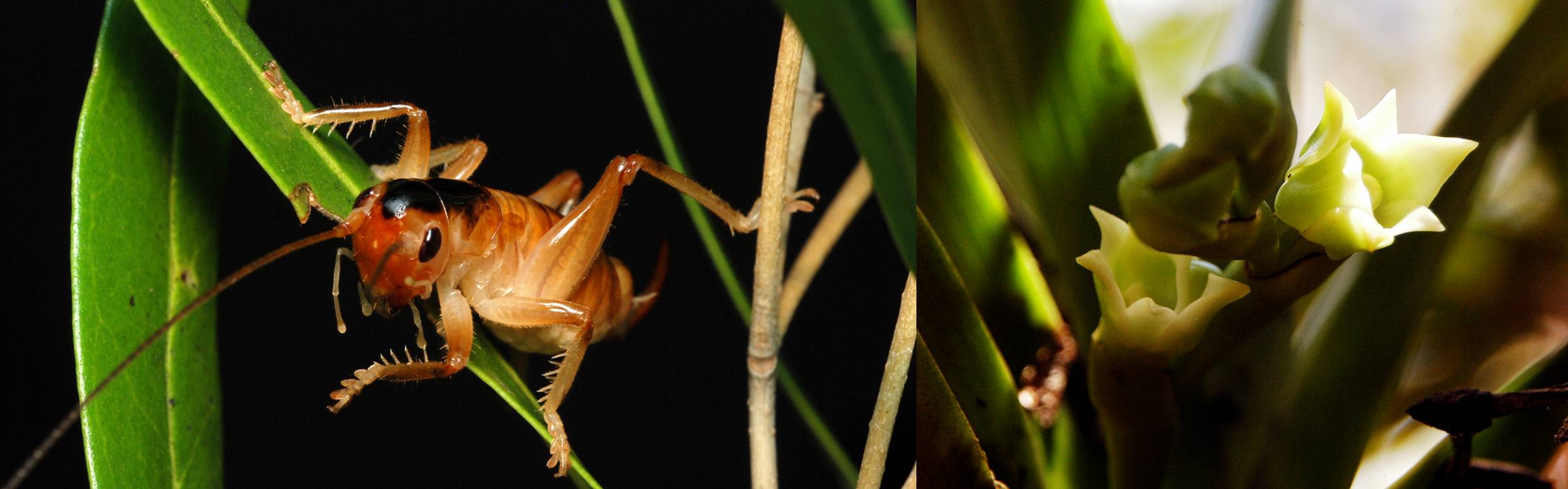
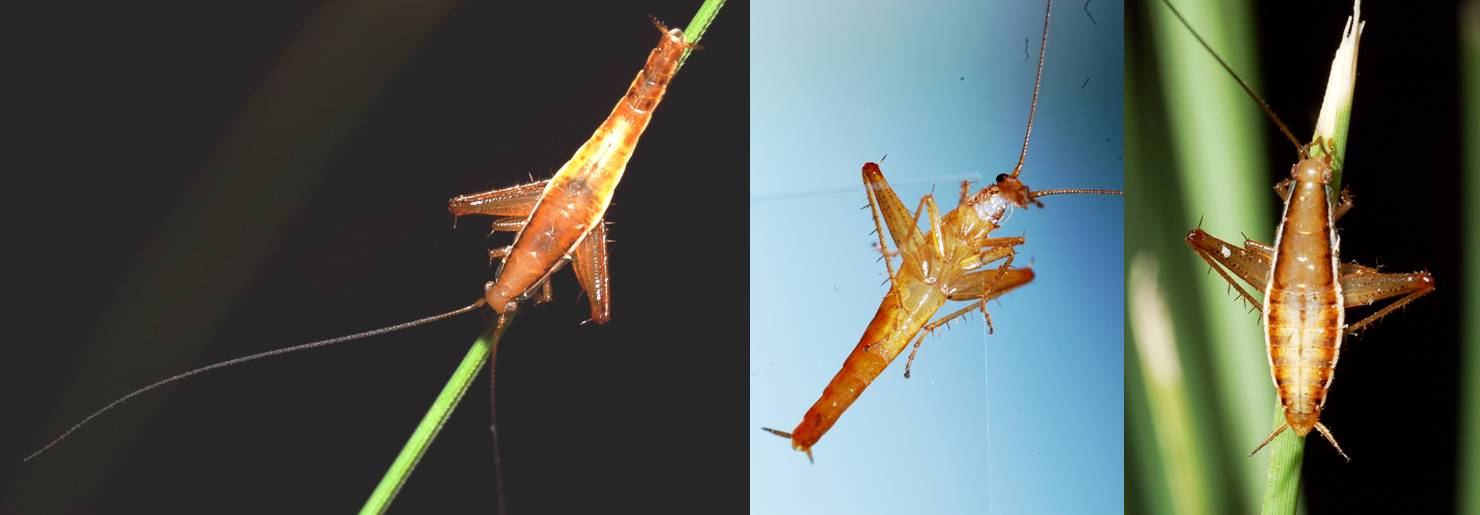
-Glomeremus orchidophilus This species is the only pollinator of the rare/endangered orchid Angraecum cadetii on Réunion island (South Western Indian Ocean), representing the first clearly-supported case of orthopteran-mediated pollination in flowering plants.
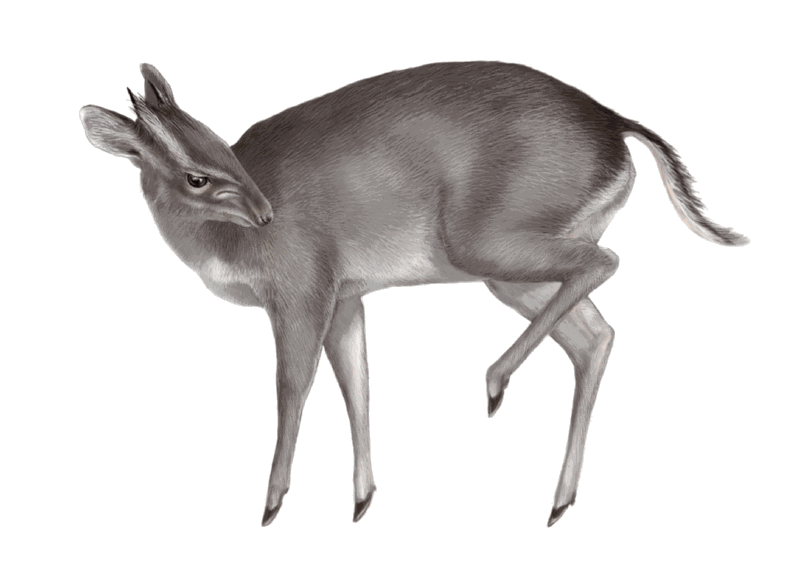
-Walter's Duiker (Philantomba walteri) This new duiker from West Africa was first encountered at a bush-meat market. It is a surprising find because, “The discovery of a new species from a well-studied group of animals in the context of bush-meat exploitation is a sobering reminder of the mammalian species that remain to be described, even within those that are being exploited on a daily basis for food or ritual activities.” The taxonomic description of Philantomba walteri should facilitate research into its ecology and behavior, as well as its conservation.
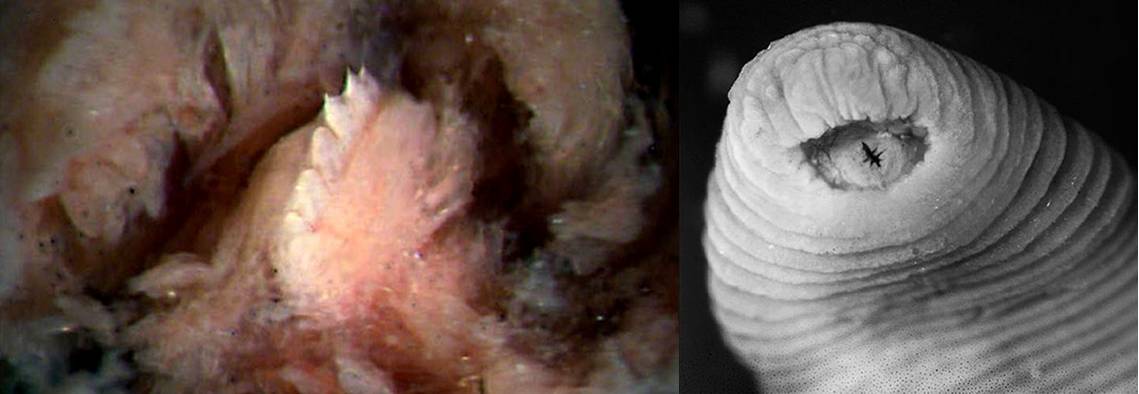
-Tyrannobdella rex This T. rex leech was discovered feeding from the nasal mucous membrane of a little girl in Perú. It is unusual because it is the only known species of leech with a “single armed jaw with such large teeth.”
-Rogue mushroom (Psathyrella aquatica) First report of a mushroom species fruiting underwater.
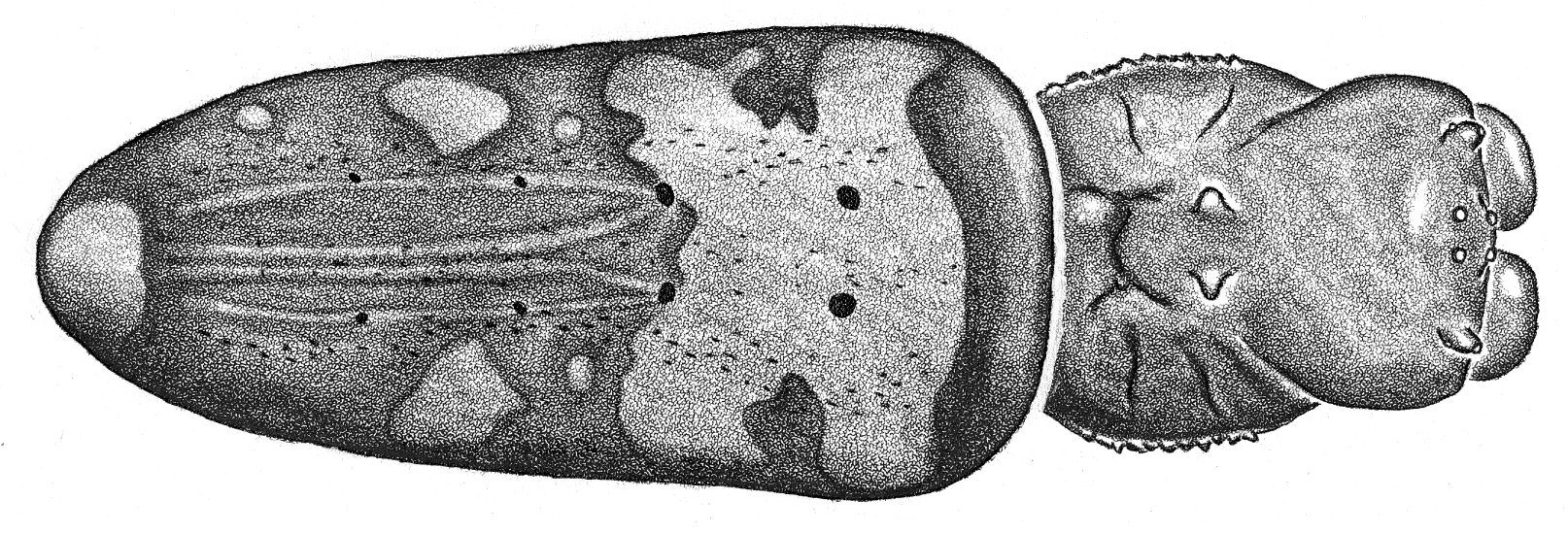
-Leaproach (Saltoblattella montistabularis) This new species of cockroach exhibits unusual morphology. It has legs that are highly modified for jumping. Prior to its discovery jumping cockroaches were only known from the Late Jurassic. This extant cockroach has jumping ability that is on par with grasshoppers. In addition to the leg modifications, it has hemispherical shaped eyes that protrude from the sides of the head instead of kidney shaped and the antennae have an additional fixation point to help stabilize them during jumping.
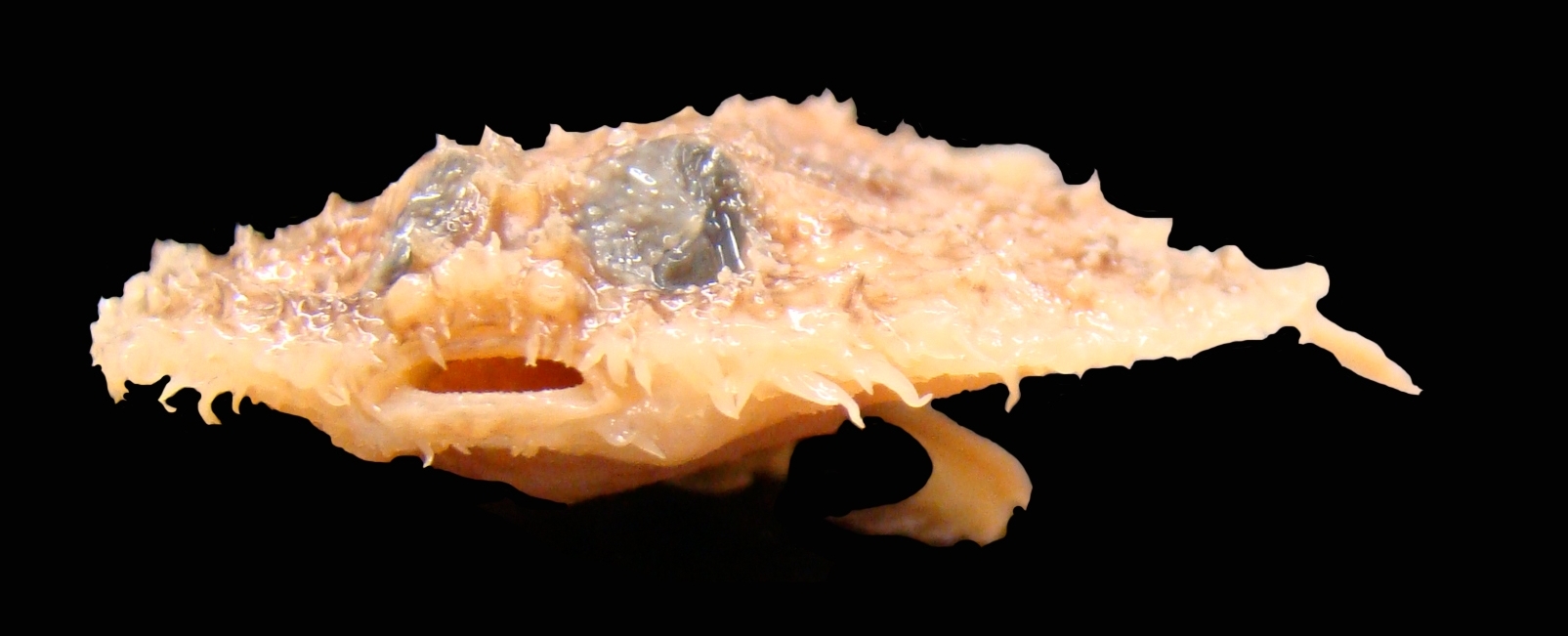
-The Louisiana Pancake Batfish (Halieutichthys intermedius) This species was discovered just before the Gulf of Mexico oil spill in 2010 and its entire known distribution is in the region of the spill. It is also a remarkably hideous (in a good way) animal. It is flat like a pancake, spikey, hops on its fins and has huge bulging eyes.
Top 10 New Species - 2012
http://www.elephantjournal.com/2013/01/top-10-new-species-discovered-in-2012-rhett-butler-jeremy-hance/ |